
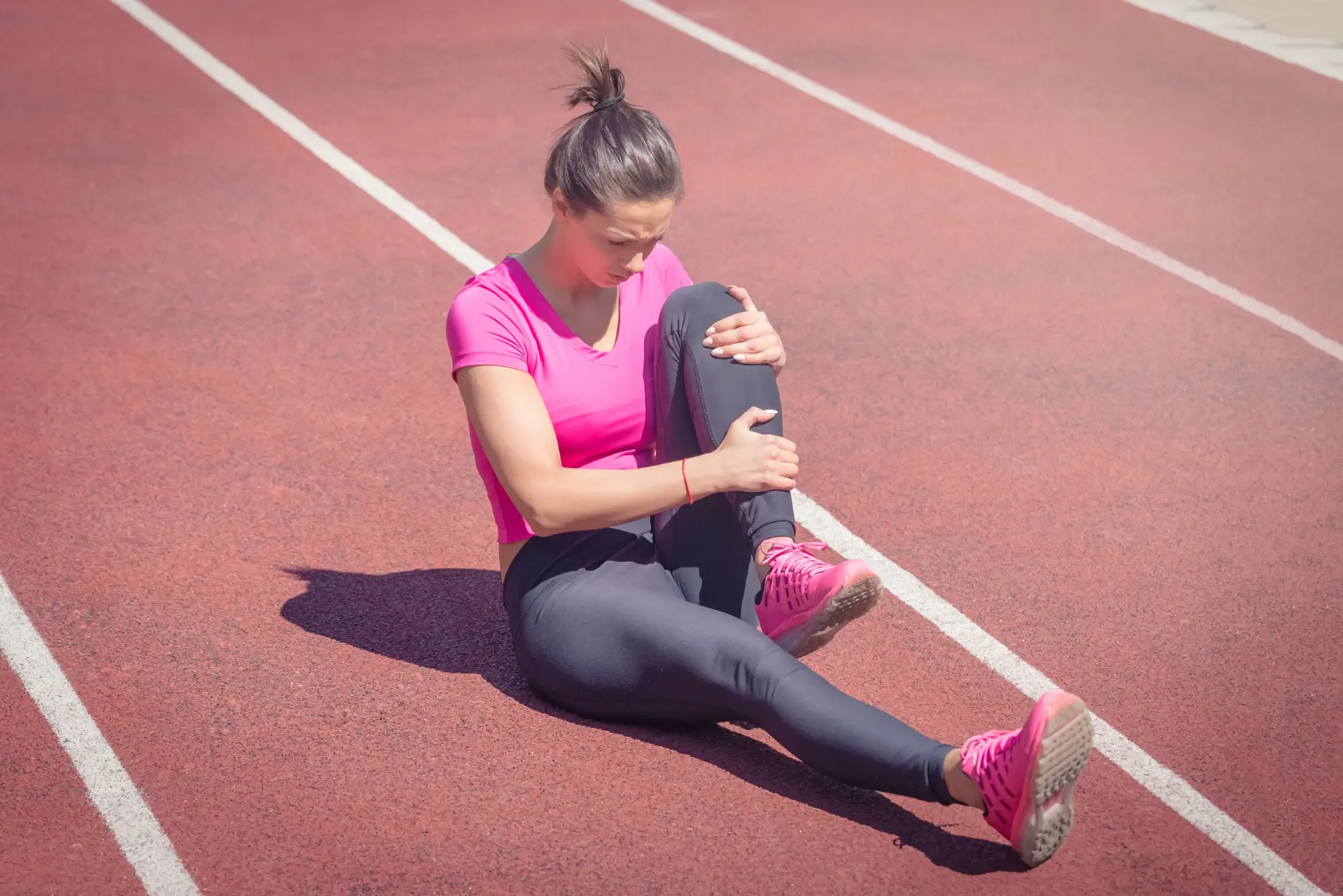
Staying active through sports, running, gym workouts, or recreational activities can support physical fitness and overall health. At the same time, demanding physical activity places stress on muscles, joints, tendons, and ligaments. When the body is exposed to more stress than it can currently tolerate, an injury may occur.
Sports injuries are not limited to professional athletes. Beginners, weekend players, fitness enthusiasts, runners, and people returning to exercise after a long break can all experience injuries.
Some problems occur during a single incident, while others develop slowly as a result of repeated stress. In either situation, the right recovery strategy can make a significant difference. Modern sports rehabilitation increasingly emphasises gradual loading, restoring physical capacity, improving movement, and preparing the individual for the demands of their chosen activity.
Understanding Sports Injuries
A sports injury refers to damage or irritation involving the body’s tissues as a result of physical activity. Depending on the activity and mechanism of injury, different structures may be affected.
Common examples include:
- Ankle sprains
- Muscle strains
- Knee injuries
- Tendon problems
- Shoulder injuries
- Ligament injuries
- Lower-leg and shin problems
- Stress-related injuries
- Sports-related back problems
An injury does not always happen because of one major accident. Repeated training, inadequate recovery, sudden changes in workload, or previous injuries can also influence how the body responds to physical activity.
The symptoms and recovery period depend on factors such as the type of injury, its severity, the person’s general fitness, and the physical demands of their sport.
Why Do Sports Injuries Happen?
Understanding possible contributing factors can help people make safer training decisions. Sports injuries can develop through a combination of training, physical, and environmental factors.
Training Too Much, Too Soon
A sudden increase in running mileage, gym weights, training sessions, or exercise intensity can challenge tissues beyond their current capacity.
This is particularly common when someone returns to exercise after a break and immediately tries to resume their previous workload.
Movement and Technique
Sport-specific skills require coordination and control. Repeatedly performing movements with poor technique or inadequate control may place additional stress on certain parts of the body.
This can be relevant to activities involving running, jumping, lifting, throwing, or rapid changes of direction.
Not Allowing Enough Recovery
Training is only one part of physical development. The body also needs sufficient recovery between demanding sessions.
When high training loads are combined with inadequate recovery, fatigue can affect movement quality and the body’s ability to adapt to exercise.
Reduced Strength or Conditioning
A lack of strength, endurance, mobility, or general conditioning can make certain sporting tasks more demanding.
This does not mean that weakness automatically causes an injury, but improving physical capacity can help an individual better tolerate the requirements of their activity.
Previous Injuries
Returning to sport after an injury involves more than waiting for pain to disappear. Strength, movement, balance, coordination, and confidence may also need to be rebuilt.
A previous injury can continue to influence physical performance if rehabilitation is incomplete.
Sudden Injuries and Gradual-Onset Problems
Sports-related problems can develop in different ways.
Sudden injuries occur during a specific event. For example, an athlete may twist an ankle while changing direction, fall during a game, or strain a muscle while sprinting.
Gradual-onset injuries develop over time. Repeated loading without adequate adaptation or recovery can contribute to problems affecting muscles, tendons, joints, or bones.
Identifying how symptoms started can provide useful information when deciding how the problem should be assessed and managed.
What to Do When a Sports Injury Occurs
The first response should depend on the symptoms and severity of the injury. Continuing a demanding activity when there is significant pain, instability, or loss of function may not be appropriate.
After an injury, consider:
- Stopping the activity that triggered the symptoms
- Avoiding unnecessary stress on the affected area
- Monitoring changes in pain, swelling, and movement
- Returning to gentle activity when it is appropriate
- Seeking professional assessment if symptoms persist or are significant
Some injuries require medical attention rather than self-management. A person should seek prompt evaluation following a serious injury, particularly when there is major swelling, visible deformity, inability to put weight through the affected limb, or substantial loss of movement.
The Role of Physiotherapy in Sports Rehabilitation
Physiotherapy can help athletes and active individuals move through recovery in a structured way.
A physiotherapist may assess the injured area along with factors such as muscle strength, joint mobility, balance, coordination, movement patterns, and functional performance.
Depending on the individual’s needs, rehabilitation may include:
- Mobility training
- Progressive resistance exercises
- Balance work
- Coordination exercises
- Movement retraining
- Flexibility exercises
- Sport-specific drills
- Activity modification
- Gradual return-to-sport training
The rehabilitation plan should be adjusted as the person improves.
For instance, someone recovering from a knee injury may initially focus on controlled movements and basic strengthening. Later, the programme may progress towards running, jumping, landing, changing direction, and other movements required for their particular sport.
Building Strength During Recovery
Strength is an important component of sports rehabilitation. Following an injury, muscles may become weaker because of reduced activity or changes in movement.
A progressive strengthening programme can help rebuild physical capacity and prepare the body for increasingly demanding activities.
The exercises selected should reflect the individual’s injury and sport. A runner, football player, swimmer, and weightlifter do not necessarily require the same rehabilitation programme.
Progression is also important. Increasing resistance, repetitions, or training volume too rapidly can place excessive stress on tissues that are still adapting.
Preparing for a Safe Return to Sport
Being pain-free during everyday activities does not always mean that someone is ready for full sporting activity.
Sports often involve higher demands, including rapid acceleration, jumping, landing, rotation, contact, or sudden changes in direction.
A gradual return may therefore progress through several stages:
- Comfortable everyday movement
- Restoration of basic strength and mobility
- Controlled sport-related movements
- Running or impact-based activities where appropriate
- Agility and direction-change drills
- Sport-specific training
- Full participation
The exact progression depends on the injury and the physical demands of the activity.
Practical Ways to Reduce Injury Risk
No strategy can eliminate every sports injury, but sensible training habits can help reduce avoidable problems.
Useful approaches include:
- Increase training workload gradually
- Develop appropriate strength and conditioning
- Learn and maintain good movement technique
- Allow recovery between demanding sessions
- Use suitable sports equipment
- Avoid sudden changes in exercise volume
- Pay attention to recurring symptoms
- Maintain general physical fitness throughout the year
A proper warm-up and activity-specific preparation may also help the body transition into more demanding movements.
Recovery should be considered part of training rather than something that only happens after an injury.
When Should You Consult a Physiotherapist?
Not every minor ache requires professional treatment. However, an assessment may be useful when symptoms continue, repeatedly return, or interfere with normal activity.
Consider speaking with a physiotherapist if:
- Pain is not settling
- Symptoms repeatedly come back
- Strength has noticeably decreased
- Joint movement is limited
- You cannot perform your usual sporting activities
- You are uncertain about returning to training
- Previous injuries continue to affect performance
A physiotherapist can assess the problem and help create a rehabilitation plan based on the person’s current abilities and sporting goals.
Conclusion
Sports injuries can happen to anyone who participates in physical activity, regardless of whether they are a professional athlete or a recreational player. Some injuries occur suddenly, while others develop gradually through repeated stress, changes in training, inadequate recovery, or reduced physical conditioning.
Successful rehabilitation is not simply about waiting for symptoms to disappear. The body may need to regain strength, mobility, coordination, balance, and tolerance for the specific demands of the sport.
Physiotherapy can support this process by providing structured rehabilitation and helping individuals progress from basic movement to sport-specific activity. A gradual return to training, sensible workload management, appropriate recovery, and professional guidance when required can all contribute to a more organised recovery process.
If a sports injury is limiting your movement or preventing you from returning to your usual activities, explore sports injury physiotherapy for personalised rehabilitation and support throughout your recovery.