
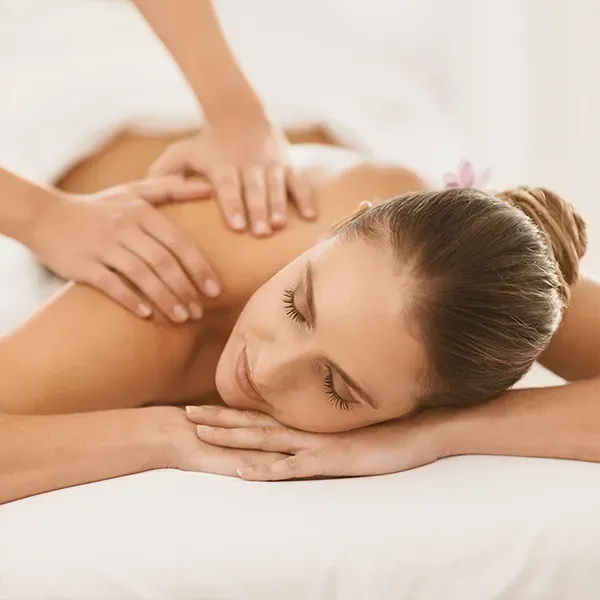
Massage therapy has traditionally been associated with relaxation, stress relief, and a luxurious spa experience. However, the role of massage is changing rapidly. In 2026, people are increasingly looking at massage as part of a broader wellness routine that can support relaxation, recovery, mobility, sleep, and overall well-being.
From fitness enthusiasts seeking muscle recovery to professionals looking for ways to manage everyday stress, massage therapy is becoming more personalised and purpose-driven. Modern wellness centres are also combining traditional techniques with contemporary approaches to create experiences based on individual needs.
Let’s explore some of the major massage therapy trends shaping wellness in 2026.
1. The Shift From Relaxation to Recovery
One of the biggest changes in massage therapy is the growing focus on recovery. Earlier, many people visited a massage centre mainly to relax after a busy week. Today, massage is increasingly being included in fitness and active-lifestyle routines.
Recovery-focused massage may involve techniques designed to work on areas that feel tight or fatigued after physical activity. Athletes, gym-goers, runners, and people with physically demanding routines may seek professional massage as one part of their recovery strategy.
The key trend is simple: massage is no longer viewed only as an occasional luxury. For some people, it has become a regular component of their wellness routine.
2. Massage for Stress Management
Modern lifestyles often involve long working hours, digital screens, busy schedules, and limited downtime. As a result, stress management has become an important part of personal wellness.
Relaxation-oriented massage can provide a dedicated break from everyday activities. A calm environment, controlled pressure, and slow massage movements can help create a relaxing experience.
In 2026, wellness-focused massage sessions are increasingly being positioned around the complete experience rather than massage alone. Lighting, music, ambience, aromatherapy, and personalised treatment plans can all contribute to a more relaxing environment.
3. Growing Interest in Massage for Better Sleep
Sleep has become an important part of the modern wellness conversation. Many people are looking for healthier ways to create an evening routine and disconnect from work and technology.
A relaxing massage may be incorporated into a bedtime wellness routine because it can help create a sense of physical relaxation. Rather than treating massage as a quick appointment, some wellness providers are designing experiences specifically around relaxation and winding down.
However, massage should not be considered a treatment for an underlying sleep disorder. People experiencing persistent sleep problems should speak with an appropriate healthcare professional.
4. Manual Lymphatic Drainage Is Receiving More Attention
Manual lymphatic drainage, commonly known as MLD, is another area attracting interest in the wellness industry. It uses gentle, specialised movements and is different from conventional deep-tissue or relaxation massage.
The technique is often discussed in relation to lymphatic flow and specific wellness or post-treatment needs. Because it is a specialised technique, choosing a properly trained professional is particularly important.
The increasing interest in MLD also reflects a wider trend: people are becoming more curious about specialised massage techniques instead of choosing a single type of massage for every purpose.
5. Personalised Massage Experiences
The idea of “one massage fits everyone” is becoming less relevant. In 2026, personalisation is an important part of the wellness experience.
Different people may have different goals. One person may want a gentle relaxation session, while another may be interested in recovery after exercise. Someone else may simply want focused attention on areas that feel tense from prolonged sitting.
Professional therapists can consider factors such as lifestyle, comfort level, preferred pressure, and wellness goals when planning a session. This approach can make the experience more relevant and comfortable for the individual.
6. Traditional Indian Massage Meets Modern Wellness
India has a long history of traditional wellness practices, including various forms of Ayurvedic massage. Practices such as Abhyanga continue to attract attention as interest in holistic wellness grows.
Modern wellness centres are increasingly presenting traditional practices alongside contemporary spa and massage experiences. This combination allows people to explore traditional approaches while enjoying the convenience and personalised service expected from modern wellness facilities.
The trend also highlights growing interest in wellness experiences that focus on the overall mind-body experience rather than a single benefit.
7. Massage and the Active Lifestyle
Fitness culture is another factor influencing massage trends in 2026. People who regularly participate in running, strength training, yoga, cycling, sports, or other physical activities may pay more attention to recovery and mobility.
Massage can be one element of a broader recovery routine that may also include adequate rest, hydration, nutrition, stretching, and appropriate exercise planning.
Importantly, massage should not replace professional medical care when someone has an injury or persistent pain. A qualified healthcare professional can help determine the appropriate approach when symptoms require medical evaluation.
8. Wellness Is Becoming More Preventive and Routine-Based
Another noticeable trend is the move from occasional wellness activities toward consistent routines. Instead of waiting until they feel extremely stressed or exhausted, some people are creating regular wellness schedules that may include exercise, meditation, healthy nutrition, adequate sleep, and massage.
This shift is changing how massage services are marketed and delivered. Wellness providers are increasingly offering customised packages and recurring sessions designed around individual preferences.
The goal is not necessarily to have more massage sessions, but to make wellness more intentional and sustainable.
Conclusion
Massage therapy in 2026 is evolving beyond the traditional idea of occasional relaxation. Recovery, stress management, sleep-focused relaxation, personalised experiences, specialised techniques, traditional wellness practices, and active lifestyles are all influencing the industry.
For individuals considering massage, the most important step is to choose a qualified professional and select a technique that matches their needs and comfort level. Massage can be a valuable part of a broader wellness routine, but it should complement—not replace—appropriate medical care when a health concern requires professional attention.
As wellness becomes increasingly personalised, massage therapy is likely to continue evolving from a simple relaxation service into a more integrated part of modern self-care and recovery routines.
Ready to make massage a part of your wellness routine? Explore our professional massage services and find the right treatment for your relaxation and recovery needs.