
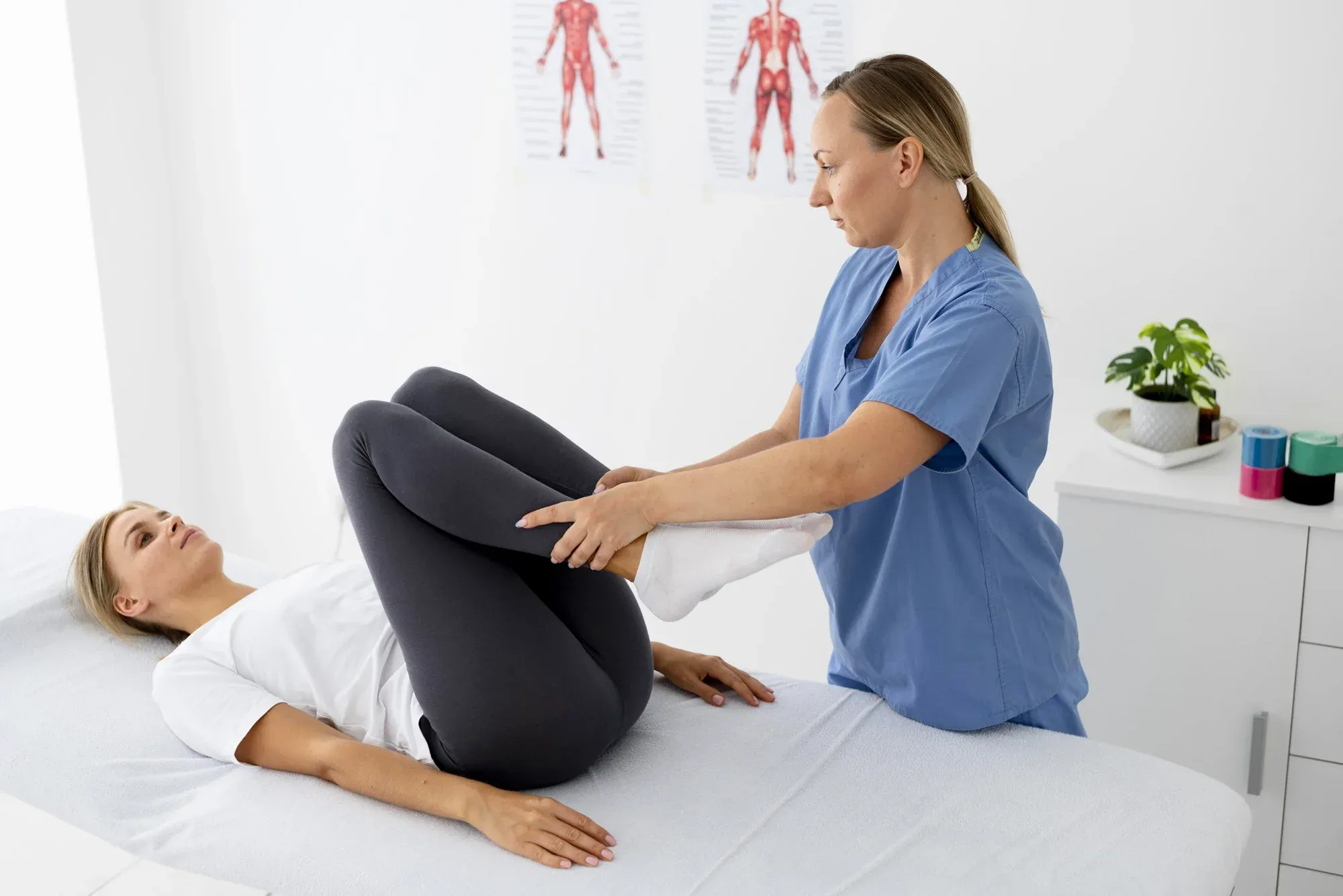
Pelvic physiotherapy is a specialised area of physiotherapy focused on the muscles, joints, nerves and tissues around the pelvis. These structures support bladder and bowel function, sexual health, posture, movement and core stability. When pelvic muscles become weak, tight, poorly coordinated or painful, everyday activities can become uncomfortable. Pelvic physiotherapy uses assessment, education, exercises and other treatment techniques to help improve function and reduce symptoms.
What Is Pelvic Physiotherapy?
Pelvic physiotherapy focuses on the pelvic floor and surrounding areas, including the abdomen, lower back, hips and pelvis. The pelvic floor is a group of muscles that helps support the bladder, bowel and reproductive organs while also contributing to continence and stability. Problems can occur when these muscles are not working effectively.
Treatment is usually personalised because pelvic symptoms can have different causes. A physiotherapist may assess movement, muscle strength, coordination, breathing patterns and posture before creating an appropriate rehabilitation plan.
Common Conditions That May Benefit
Pelvic physiotherapy may be used as part of rehabilitation for several concerns. These can include urinary leakage, pelvic pressure, constipation-related muscle problems, pelvic or lower abdominal discomfort, and difficulties with pelvic muscle control. It may also support recovery after pregnancy and childbirth, particularly when changes in strength, coordination or movement affect daily activities.
Some people experience pelvic pain that is influenced by muscle tension or poor movement patterns. Others may have difficulty relaxing the pelvic floor rather than weakness. This is why simply performing strengthening exercises is not always appropriate. A professional assessment can help determine which approach may be suitable.
Benefits of Pelvic Physiotherapy
One major benefit of pelvic physiotherapy is improved awareness and control of the pelvic floor muscles. Learning how to contract and relax these muscles correctly can support better coordination during everyday movements.
Treatment may also help improve core and hip strength, posture, mobility and confidence with physical activity. Depending on the person’s symptoms and goals, rehabilitation may support bladder or bowel control, reduce discomfort, improve functional movement or assist recovery after an injury or major physical change.
Education is another important part of treatment. Understanding contributing factors, movement habits and exercise techniques can make it easier to manage symptoms and continue progress between appointments.
What Happens During a Pelvic Physiotherapy Assessment?
The first appointment generally begins with a conversation about symptoms, medical history, activity levels and personal goals. The physiotherapist may ask when symptoms occur, what activities make them better or worse, and how they affect daily life.
A physical assessment may then be recommended. Depending on the situation, this can include checking posture, breathing, abdominal and hip movement, flexibility, strength and functional movements. An internal pelvic floor assessment may sometimes be considered, but it is not automatically required. The physiotherapist should explain the purpose of any assessment and obtain appropriate consent before proceeding.
After the assessment, the physiotherapist can explain the findings and discuss treatment options. A home exercise program may be provided, with instructions based on the individual’s needs and ability.
Common Treatment Approaches
Pelvic physiotherapy does not rely on one exercise or technique. Treatment may include pelvic floor strengthening, relaxation exercises, breathing coordination, mobility work, core training and hip strengthening. Manual therapy may also be used when appropriate to address muscle or soft-tissue restrictions.
Some people may need more emphasis on relaxation and coordination, while others may benefit from progressive strengthening. Functional training can help patients apply pelvic floor control during activities such as lifting, walking, exercise or returning to sport.
How Long Does Treatment Take?
The length of pelvic physiotherapy varies from person to person. Some people may notice changes within a few sessions, while others require a longer rehabilitation period. Progress depends on the condition, symptom duration, physical factors and consistency with the recommended program.
Regular home exercises and healthy movement habits can support progress. However, exercises should be performed according to professional guidance, especially when pain or unusual symptoms are present.
When Should You Consider Pelvic Physiotherapy?
Consider speaking with a qualified physiotherapist if pelvic symptoms are affecting exercise, work, sleep, bladder or bowel habits, comfort, or everyday activities. Persistent pain, unexplained bleeding, sudden changes in bladder or bowel function, or other concerning symptoms should also be discussed with an appropriate healthcare professional.
A tailored program can also help people understand their bodies better and develop practical strategies for daily routines. The goal is not only symptom management, but also improved function, independence and confidence in movement over time and activity.
Conclusion
Pelvic physiotherapy can provide a structured approach to improving pelvic floor function, movement, strength and confidence. Because pelvic problems can involve both weakness and excessive muscle tension, personalised assessment is important. With appropriate education, targeted exercises and gradual rehabilitation, physiotherapy may help people manage symptoms and return to comfortable daily movement.
If pelvic discomfort, muscle weakness, or changes in bladder and bowel control are affecting your daily routine, professional guidance can help you understand the underlying concerns and choose an appropriate rehabilitation approach. Explore pelvic physiotherapy treatment to work on strength, coordination, mobility, and overall pelvic health with a personalised care plan.